Curriculum & Learning
Sustainability Education
Madenat Alelem University
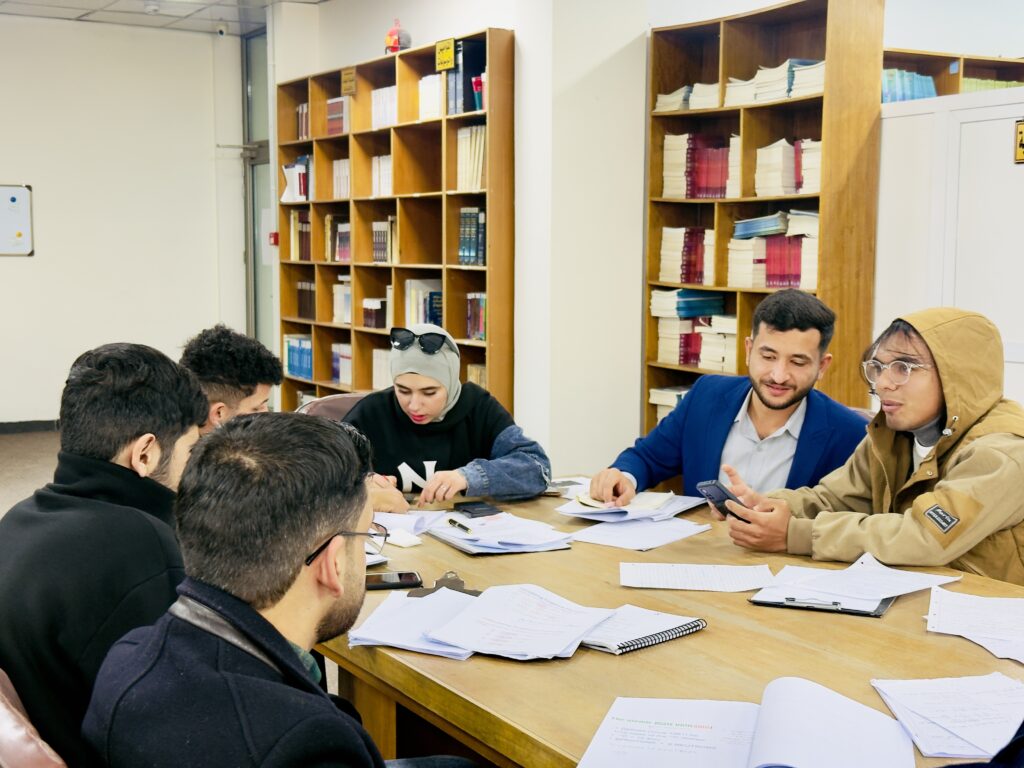
At Madenat Alelem University, sustainability education is a central pillar of our academic philosophy and institutional mission. We are committed to embedding the principles of sustainable development across all disciplines—ensuring that our graduates acquire the knowledge, practical skills, ethical awareness, and leadership capabilities necessary to address contemporary environmental, social, and economic challenges.
Integrating Sustainability Across Academic Programs
Sustainability concepts are systematically integrated into curricula through:
Interdisciplinary learning aligned with the Sustainable Development Goals (SDGs)
Research-informed teaching methodologies
Real-world case studies addressing sustainability challenges
Continuous curriculum development in line with international standards and national priorities
Academic programs incorporate topics such as:
Climate change and environmental management
Renewable and sustainable energy solutions
Sustainable business practices and green economy
Corporate governance and social responsibility
Community development and social innovation
Research & Innovation for Sustainable Development
Madenat Alelem University promotes impactful research that contributes to sustainable development by:
Encouraging faculty and student-led sustainability research initiatives
Supporting interdisciplinary collaboration across colleges
Establishing partnerships with governmental, private, and international institutions
Organizing conferences, seminars, and workshops focused on sustainability themes
Through innovation and critical inquiry, the University fosters practical solutions to environmental and societal challenges.
Experiential Learning & Community Engagement
Recognizing that sustainability extends beyond the classroom, the University actively promotes experiential learning by engaging students in:
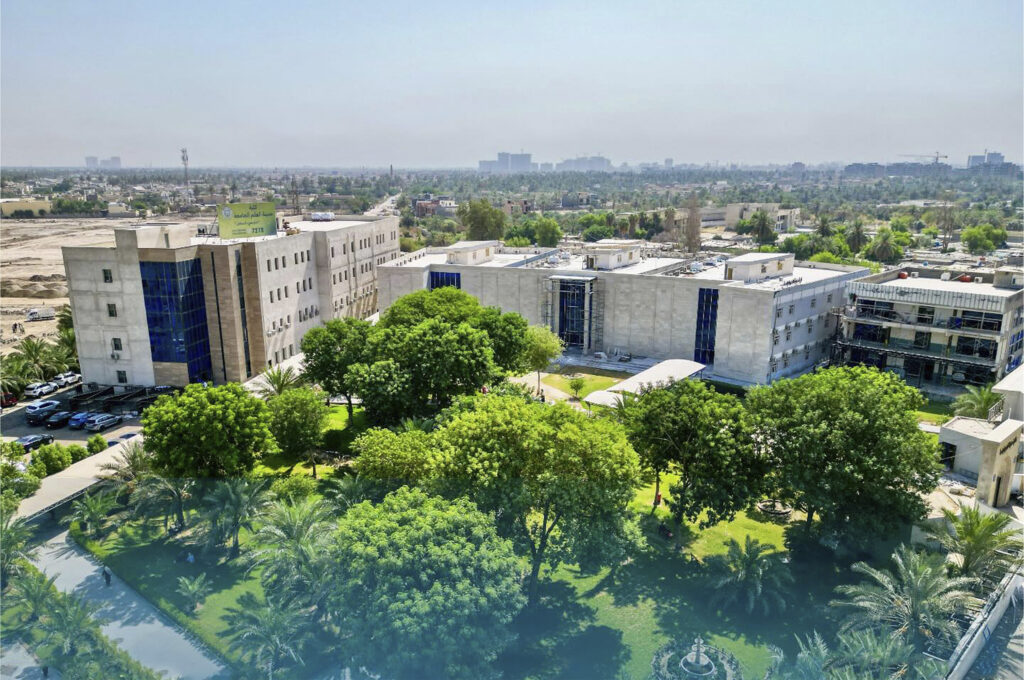
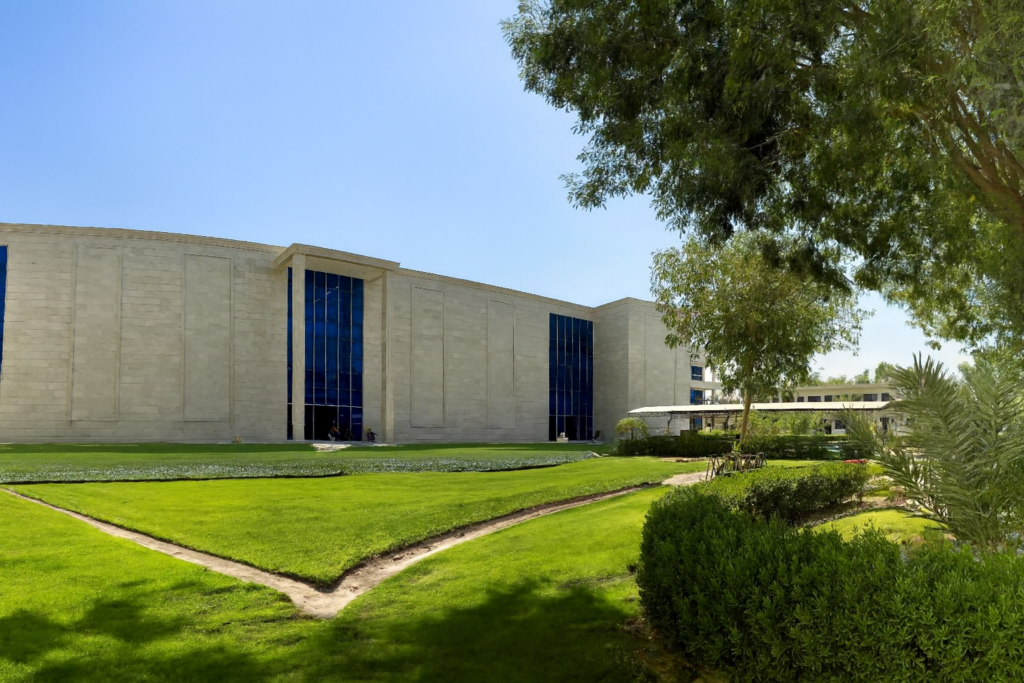
Green campus initiatives and infrastructure projects
Environmental awareness and conservation campaigns
Waste reduction, recycling, and energy efficiency programs
Community outreach and social responsibility initiatives
Collaborative projects with public and private sector partners
These activities strengthen students’ practical competencies and reinforce a culture of sustainability and civic responsibility.